Restoring Function to Damaged Slabs
Concrete Repair & Resurfacing in Lawrenceville for surfaces showing cracks, spalling, or uneven settlement
Concrete that has cracked, developed surface flaking, or settled unevenly often needs repair rather than full replacement, especially when the base remains stable and the damage is limited to the surface or isolated sections. Master Invert Builders evaluates damaged concrete throughout Lawrenceville to determine whether crack filling, resurfacing, or partial slab replacement will restore function and appearance. Spalling—where the surface layer flakes away—typically results from water infiltration and freeze-thaw cycles, while cracks form from settling, inadequate control joints, or excessive loads on thin slabs.
Crack repairs involve cleaning out loose material, applying bonding agents, and filling with epoxy or polyurethane compounds that flex slightly with temperature changes. Resurfacing covers worn or lightly damaged concrete with a thin overlay that bonds to the existing slab, restoring a smooth finish without the cost of removing and replacing the entire surface. Spalling repairs remove the damaged layer, expose sound concrete, and apply patching compound that matches the surrounding surface.
Schedule a site evaluation to identify the cause of the damage and determine whether repair or replacement is the appropriate solution.
What Resurfacing and Repairs Actually Accomplish
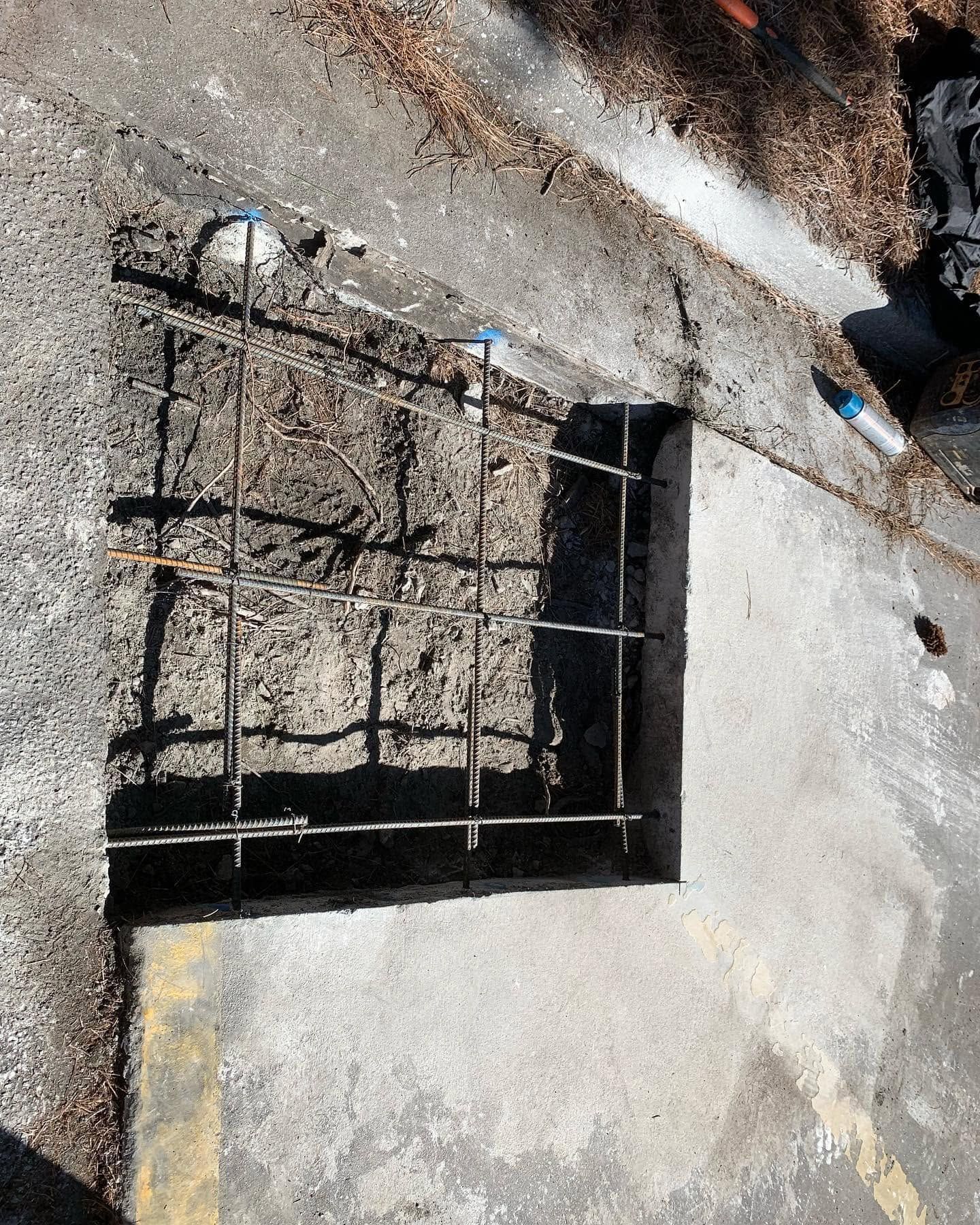
Repair work addresses specific failures without disturbing sections of the slab that remain structurally sound, which saves cost and time compared to full replacement. Resurfacing applies a new layer over the existing concrete, covering minor cracks, stains, and surface wear while adding years of service life. The overlay bonds chemically to the old surface and can be colored or textured to improve appearance while restoring a smooth, level finish.
After repairs are completed, cracks are filled and stabilized so they don't widen, and the surface is level again where settlement had created trip hazards or pooling water. Resurfaced concrete looks uniform, with consistent color and texture that hides the worn appearance of the original slab. Spalling repairs eliminate loose, flaking concrete that would otherwise continue to deteriorate and expose more of the underlying slab to moisture and freeze-thaw damage.
Repair projects also include evaluating why the damage occurred, since fixing symptoms without addressing the cause leads to repeated failures. If cracks resulted from base settlement, the underlying soil may need compaction or stabilization. If spalling came from water infiltration, drainage improvements may be necessary to prevent future damage. Some damaged slabs are beyond repair and require replacement when the base has failed or cracking is widespread enough that patching isn't cost-effective.
Questions Before Starting Your Project
Repair and resurfacing decisions depend on the extent of damage, the condition of the base, and how long you expect the repaired surface to perform.
When should concrete be repaired versus replaced?
Repair makes sense when the base is stable, cracks are isolated, and the majority of the slab remains sound. If the concrete has settled significantly, shows widespread cracking, or has a failed base layer, replacement is usually more cost-effective than attempting extensive repairs that may not last.
What causes concrete to spall and flake?
Spalling occurs when water infiltrates the surface, freezes, and expands, breaking off the top layer of concrete. It's more common in areas with freeze-thaw cycles and on surfaces that weren't properly finished or sealed, allowing moisture to penetrate and weaken the outer layer.
How long does resurfacing last in Lawrenceville's climate?
A properly applied overlay can last 10 to 15 years or more, depending on traffic, weather exposure, and maintenance. Sealed resurfaced concrete resists moisture better and maintains its appearance longer than unsealed surfaces, which can stain and wear more quickly.
Can you repair concrete that has sunk or settled?
Sunken sections can sometimes be lifted using slab jacking or polyurethane foam injection, which raises the concrete back to its original level by filling voids beneath the slab. If the settlement is severe or the base has completely failed, replacement may be necessary to prevent future movement.
What's involved in crack repair?
Effective crack repair requires cleaning out debris, applying a bonding agent, and filling with a flexible material that moves slightly with the concrete as temperatures change. Wide cracks or those caused by ongoing settlement may require additional stabilization before filling to prevent them from reopening.
Master Invert Builders evaluates and repairs damaged concrete throughout Lawrenceville, with solutions tailored to the specific failure mode and extent of damage. Call (470) 475-2295 to arrange an inspection and discuss whether repair or replacement is the right approach for your property.