Durable Surfaces Built to Last Decades
Concrete Installation in Lawrenceville for properties needing reliable foundations, driveways, or parking areas
Master Invert Builders handles concrete installation across Lawrenceville, delivering slabs, foundations, and surfaces that support daily use for residential and commercial properties. The work involves site preparation, proper base compaction, and placement of concrete mixed to specifications that match your project's load requirements. Property owners who need parking lots, building foundations, or outdoor slabs rely on installation that accounts for soil conditions and drainage patterns specific to the site.
Installing new concrete means excavating to the correct depth, compacting the base material to prevent settling, and placing reinforcement where the design requires it. The concrete itself is poured at a thickness that matches the intended use—heavier for parking areas, standard depth for walkways, and engineered specifications for foundations. Proper finishing creates a surface that sheds water and resists wear from traffic, weather, and temperature shifts common in this region.
Schedule a site evaluation to review soil conditions and determine the specifications your project requires.
What Proper Installation Requires
Concrete installation begins with site assessment and base preparation, which determines how long the surface will perform without cracking or settling. The subgrade must be compacted to a density that prevents movement, and the base layer is graded to direct water away from the slab. Reinforcement—whether wire mesh or rebar—is positioned to control cracking as the concrete cures and responds to ground movement over time.
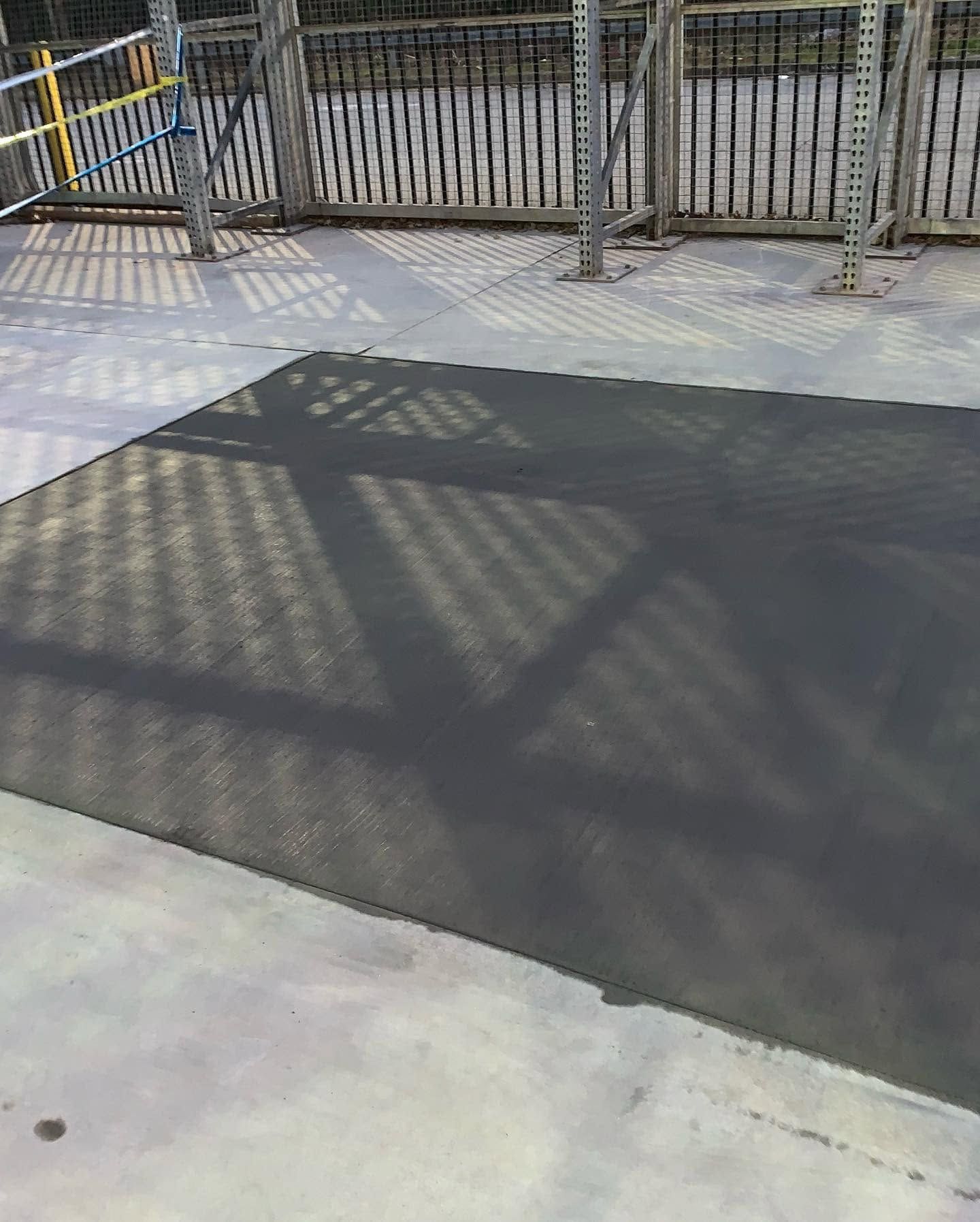
Once the concrete is placed and finished, you'll see a level surface with consistent texture and proper slope for drainage. Joints are cut at planned intervals to control where cracks form, keeping them in predictable locations rather than spreading across the slab. The surface hardens to full strength over several weeks, and you'll notice that water runs off instead of pooling, and the slab remains stable under the weight of vehicles, equipment, or foot traffic without sinking or shifting.
Installation also includes forming edges and transitions where the new concrete meets existing structures, driveways, or landscaping. The thickness and reinforcement are adjusted based on whether the slab will support parked cars, heavy equipment, or foot traffic only. Curing time and weather conditions affect the schedule, so installation is planned around temperature and precipitation forecasts to prevent surface damage during the hardening process.
Questions Property Owners Usually Ask
Concrete projects involve site-specific decisions, and understanding the process helps you evaluate what your property needs and what results to expect after installation is complete.
What determines the thickness of the concrete slab?
The intended use drives thickness—standard sidewalks are typically four inches, while driveways and parking areas require at least six inches to support vehicle loads without cracking. Heavier equipment or commercial traffic may require thicker slabs with additional reinforcement to distribute weight evenly across the base.
How does site preparation affect the final result?
Compaction of the subgrade and base material prevents settling that leads to cracking and uneven surfaces. If the soil isn't stable or the base isn't graded correctly, the slab will shift over time, causing joints to separate and cracks to form in random patterns rather than at planned control joints.
When is the best time to install concrete in Lawrenceville?
Moderate temperatures between 50 and 80 degrees allow concrete to cure at the correct rate, so spring and fall are typically ideal. Hot summer days cause rapid moisture loss that can weaken the surface, while cold weather slows curing and increases the risk of freeze damage before the concrete reaches full strength.
What happens during the curing process?
Concrete gains strength as it hydrates over several weeks, reaching about 70 percent of full strength within the first week and continuing to harden for months. Keeping the surface moist during the initial curing period prevents surface cracking and ensures the concrete reaches its design strength.
How long does a properly installed slab last?
A well-installed concrete slab on properly compacted base material can perform for 30 years or more with minimal maintenance. The lifespan depends on load exposure, drainage management, and whether the slab experiences freeze-thaw cycles or chemical exposure that accelerates wear over time.
Master Invert Builders installs concrete for residential and commercial projects throughout Lawrenceville, with attention to site conditions and base preparation that determine long-term performance. Request a detailed estimate based on your property's soil conditions and the intended use of the surface.