
Outdoor Spaces Designed for Year-Round Use
Concrete Patios, Stairs & Outdoor Living in Lawrenceville for homeowners expanding outdoor entertainment areas or replacing deteriorated surfaces
Georgia's climate allows outdoor use nearly year-round, and concrete patios, pool decks, and stairs create functional spaces that withstand temperature swings, moisture exposure, and heavy foot traffic during gatherings. The installation process involves grading the site to direct water away from the house, placing a compacted base that remains stable, and finishing the surface with texture that prevents slipping when wet. Master Invert Builders builds outdoor living spaces in Lawrenceville that handle the region's heat, humidity, and occasional freeze events without cracking or becoming unsafe.
Patio installation starts with excavation to the proper depth, followed by base compaction and edge forms that define the shape and elevation. Concrete for patios is typically four to six inches thick depending on whether the surface will support furniture, fire pits, or outdoor kitchens. Pool decks require additional attention to slope and drainage, since standing water creates slip hazards and accelerates surface wear.
Schedule a property evaluation to identify site drainage concerns and discuss layout options that fit your outdoor space.
What You Notice Once Outdoor Concrete Is Finished
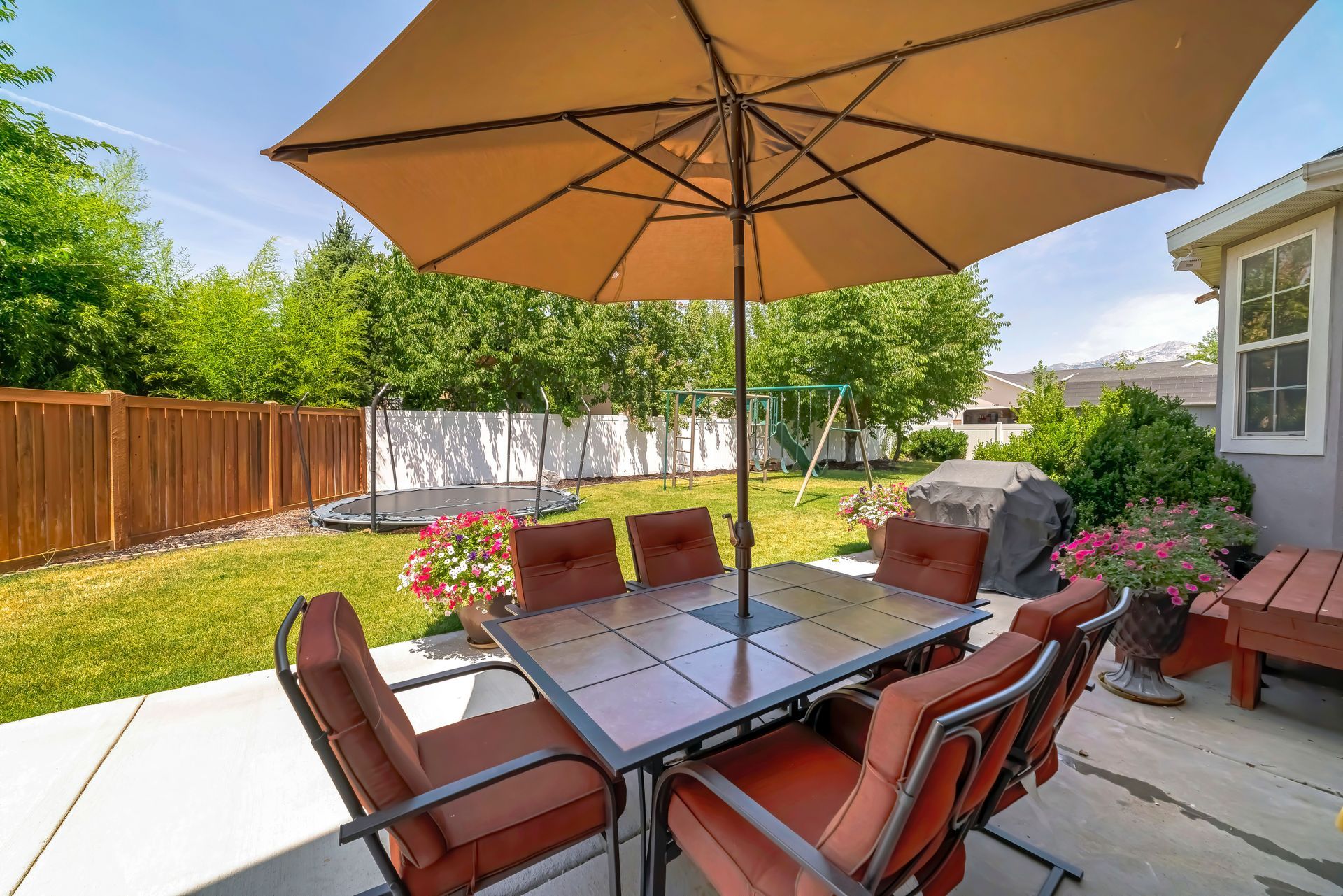
Outdoor concrete projects transform how you use your backyard by creating level, stable surfaces that don't shift, puddle, or grow uneven over time. Stairs built with proper rise and run dimensions provide safe, consistent footing between elevation changes, and handrails or walls can be incorporated where code requires. The finish applied to the surface determines traction—broom finishes work for most patios, while pool decks often use a light texture that prevents slipping without being abrasive to bare feet.
After the concrete cures, you'll notice that rainwater drains toward the yard rather than pooling against the house, and the surface remains cool enough to walk on even during summer afternoons if a light-colored finish is used. Furniture sits level without rocking, and the concrete resists staining from spills, dirt, or leaves better than wood or composite decking. Properly finished edges prevent chipping where the patio meets landscaping, and control joints manage cracking so it doesn't spread randomly across the surface.
Outdoor living projects also include forming steps with consistent dimensions, building retaining walls where elevation changes require support, and creating transitions between different surface levels. Patios can be extended later without visible seams if the new section is poured against a properly prepared joint. Backyard improvements often involve coordinating the concrete work with landscaping, drainage systems, and utility lines that run beneath the surface.
Answers to Frequent Service Questions
Outdoor concrete projects involve site-specific considerations that affect layout, drainage, and long-term durability, and homeowners typically want to understand how these factors influence the final result.
What slope does a patio need for proper drainage?
Patios should slope at least one-quarter inch per foot away from the house to prevent water from pooling or running toward the foundation. This grade is subtle enough that it's not noticeable when walking but sufficient to move rainwater off the surface quickly.
How do concrete stairs differ from patio slabs?
Stairs require precise forming to maintain consistent riser height and tread depth, typically seven inches of rise and 11 inches of tread for comfortable, safe use. The concrete is reinforced more heavily than patio slabs because stairs experience concentrated loads on smaller surfaces, and any settling or cracking creates a tripping hazard.
Why do pool decks have a textured finish?
Smooth concrete becomes dangerously slippery when wet, so pool decks use broom finishes, exposed aggregate, or spray textures that provide traction without being uncomfortable for bare feet. The texture also helps the surface dry faster after swimmers exit the pool.
When should outdoor concrete be sealed?
Sealing is typically done 28 days after installation once the concrete has fully cured, and it protects the surface from moisture penetration, staining, and freeze-thaw damage. In Lawrenceville's climate, sealing every two to three years maintains protection and keeps the surface looking newer longer.
Can outdoor concrete be installed during summer heat?
High temperatures cause concrete to set faster and lose moisture quickly, which can weaken the surface and cause cracking. If installation occurs during hot weather, contractors adjust the mix, pour early in the morning, and use curing compounds or wet coverings to slow moisture loss and prevent damage.
Master Invert Builders designs and installs outdoor concrete spaces throughout Lawrenceville, with grading and drainage planning that protects your home's foundation while creating functional entertainment areas. Contact us to discuss your backyard layout and review options for patios, stairs, or pool decks.