Controlled Demolition Without Collateral Damage
Concrete Cutting, Coring & Removal in Lawrenceville for properties requiring precise material removal without impacting surrounding structures
Concrete demolition with standard jackhammers creates vibration that can crack adjacent slabs, damage nearby utilities, and leave irregular edges that complicate replacement work. You need concrete cutting and core drilling when renovation plans call for door openings through foundation walls, utility penetrations in existing slabs, or partial slab removal that must leave clean edges for tie-in work. Master Invert Builders provides concrete cutting, coring, and removal services in Lawrenceville using diamond-blade equipment that cuts through reinforced concrete with minimal vibration and dust compared to impact demolition methods.
Slab removal for site preparation involves saw-cutting control lines before breaking out sections, which prevents fractures from propagating beyond the intended removal area and eliminates the need to repair crack damage in concrete you intended to keep. Core drilling creates circular penetrations for plumbing pipes, electrical conduits, or HVAC ductwork that must pass through floors or walls, with hole diameters ranging from two inches for residential plumbing to twenty-four inches or larger for commercial mechanical systems.
Schedule a demolition assessment to identify utility locations and determine cutting depths required for your renovation scope.
What Changes After Controlled Removal Completes
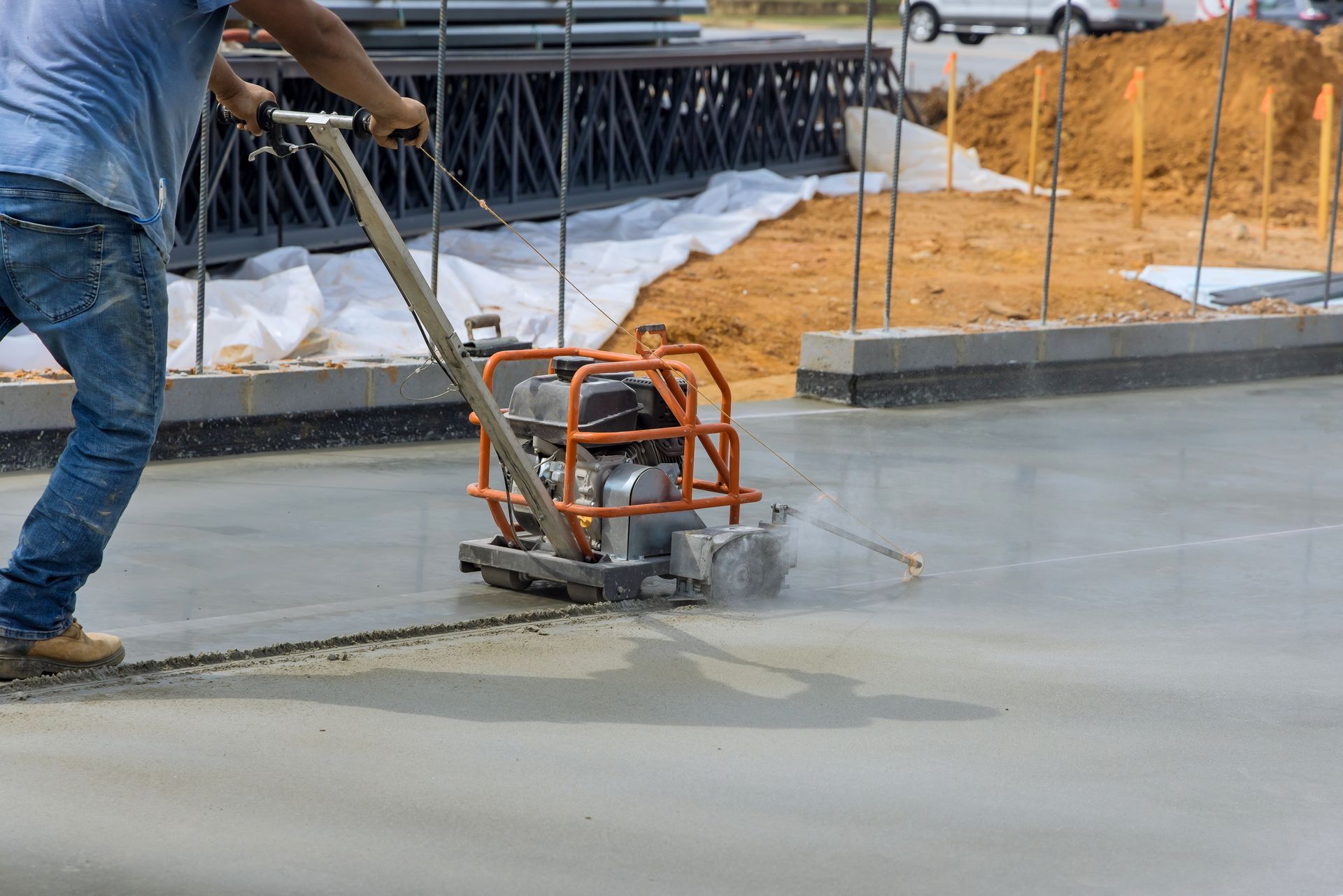
Concrete cutting uses water-cooled diamond blades mounted on walk-behind saws, wall saws, or handheld equipment depending on access constraints and cut depth requirements. The process produces a slurry that must be contained and removed, but generates far less airborne dust than dry cutting or jackhammer demolition. Site preparation work includes utility locating before any cutting begins, since hitting buried electrical lines, gas pipes, or water mains during demolition creates safety hazards and expensive repair bills that exceed the cost of proper locating services.
Once cutting and removal finish, you'll see straight edges suitable for forming against when pouring replacement concrete, clean holes through walls that accommodate pipe sleeves without gaps requiring excessive sealing, and intact surrounding surfaces without the spiderweb cracks that impact demolition typically creates. The removed concrete gets hauled away rather than left on site, clearing the work area for the next construction phase without requiring separate debris removal coordination.
Core drilling depth capability depends on equipment power and blade diameter, with some applications requiring drilling from both sides of thick walls to complete penetrations that exceed single-side drill reach. Rebar embedded in concrete requires specialized blades that can cut through both concrete and steel without blade damage, adding time to the cutting process but producing the same clean results.
Common Questions About This Service
Clients usually ask about dust control, how cutting affects structural integrity, and whether existing concrete condition limits cutting options before authorizing demolition work.
What prevents concrete cutting from damaging adjacent areas?
Diamond blade cutting creates a controlled fracture plane along the cut line, preventing crack propagation into surrounding concrete. The saw depth is set to match slab thickness, and multiple shallow passes are made for deep cuts rather than attempting full-depth cuts in a single pass that could bind the blade or create uncontrolled breakage.
How does core drilling through reinforced concrete work without hitting rebar?
Rebar location is mapped using ground-penetrating radar or magnetic locating devices before drilling begins, allowing hole placement that avoids major reinforcing bars when possible. When drilling through rebar cannot be avoided, diamond core bits rated for steel cutting are used to drill through both materials simultaneously.
When is concrete too deteriorated to cut cleanly?
Concrete with extensive spalling, honeycombing from poor initial pouring, or advanced freeze-thaw damage may crumble during cutting rather than producing clean edges. In such cases, the deteriorated material typically requires complete replacement rather than partial removal, since attempting to salvage degraded concrete produces poor results even with controlled cutting methods.
What site preparation does concrete demolition require?
The work area must be cleared of furniture and equipment, utility lines must be located and marked, and access routes must be confirmed for equipment entry and debris removal. Lawrenceville properties with limited access may require smaller equipment or additional labor time to complete the same scope compared to sites with direct truck access to the work area.
How do you remove concrete from areas where heavy equipment cannot reach?
Walk-behind saws, handheld core drills, and manual demolition with electric jackhammers allow concrete removal in confined spaces, though production rates decrease compared to large equipment. Debris removal from tight areas requires wheelbarrows, chutes, or conveyor systems to transport broken concrete to truck loading zones.
Master Invert Builders coordinates cutting methods with your renovation timeline and utility constraints to minimize disruption while achieving the precision your project requires. Request a site visit to review access conditions and confirm equipment compatibility with your removal scope.